Black Hat Link Building refers to unethical practices that manipulate search engine rankings through deceptive tactics. Whether you call it blackhat link building or black hat seo link building, these methods may offer short-term gains, but they risk severe penalties and long-term damage. This comprehensive guide explores black hat link techniques, their consequences, and how to recover if affected.
If you’re new to link building terminology, check out our guide to 25 link building terms every marketer should know before diving into black hat techniques.
What is Black Hat Link Building?
Black Hat Link Building involves tactics that violate search engine guidelines to artificially boost rankings. Unlike White Hat link building methods, which focus on user value, Black Hat strategies exploit loopholes for quick results, often disregarding sustainability and ethics. These include everything from black hat backlinks to spam networks, all prioritizing manipulation over genuine authority.
Key Contrast with White Hat:
- White Hat: Ethical, user-focused, compliant with guidelines-learn more about white hat vs. black hat.
- Black Hat: Manipulative, risky, prioritizes search engines over users.
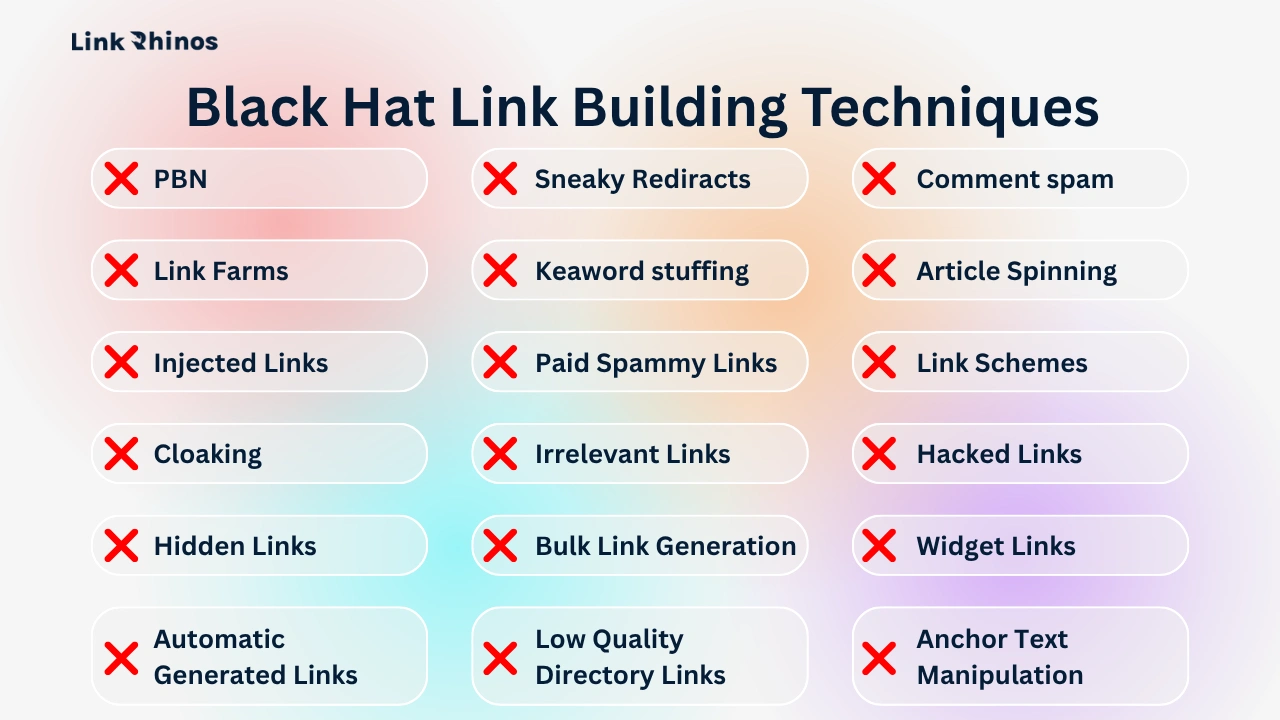
Common Black Hat Link Building Techniques
1. Purchasing Links
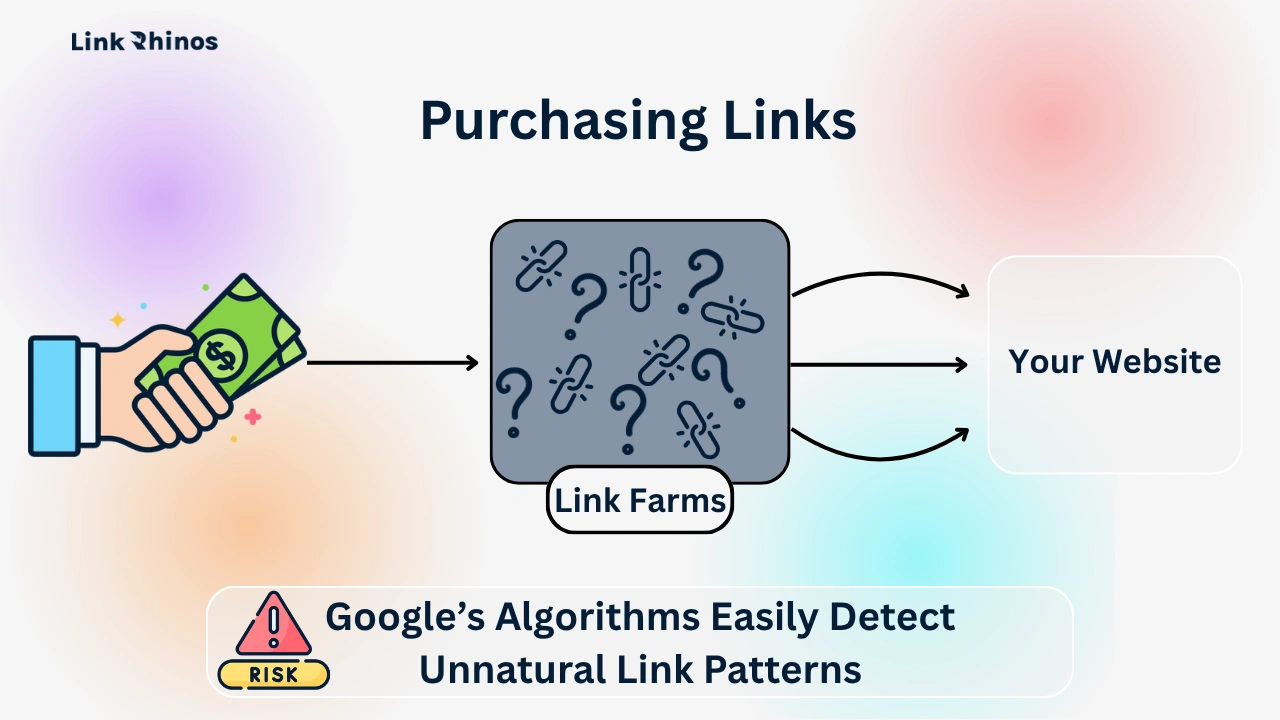
- Description: Buying backlinks from low-quality or irrelevant sites – a direct form of backlink blackhat activity that violates Google’s Webmaster Guidelines.
- Example: Acquiring links from “link farms” in exchange for payment.
- Risk: Google’s algorithms easily detect unnatural link patterns.
2. Private Blog Networks (PBNs)
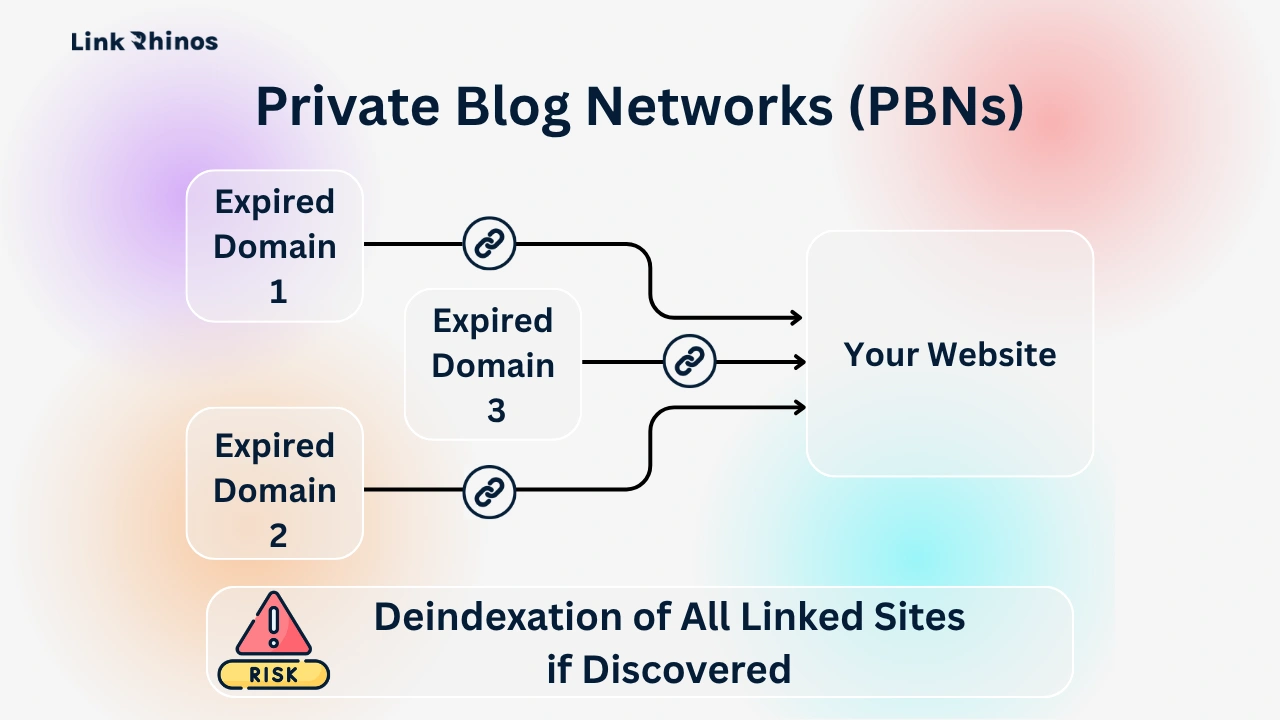
- Description: A network of websites created solely to interlink and pass artificial authority. PBNs are among the most common sources of black hat backlinks used by aggressive SEOs.
- Example: A network of expired domains repurposed to link to a main site.
- Risk: Deindexation of all linked sites if discovered.
3. Spam Comments and Forum Links
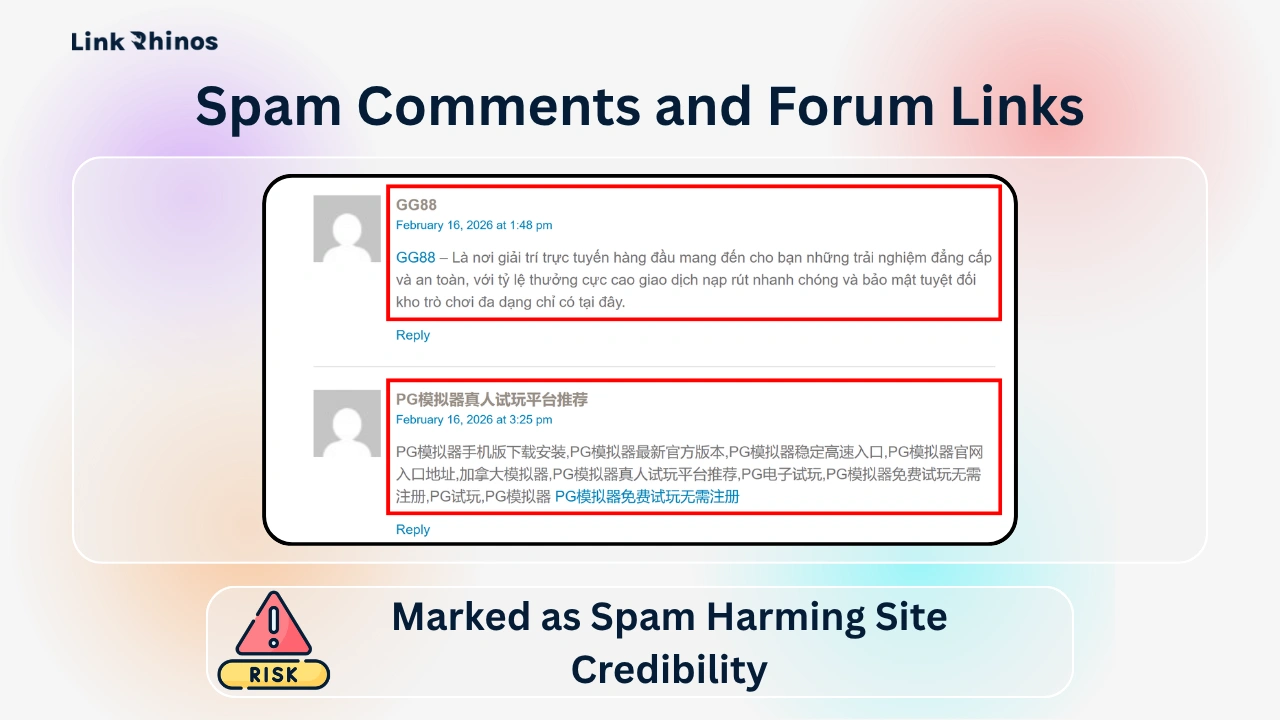
- Description: Posting irrelevant links in blog comments, forums, or social media – a black link seo tactic often deployed through automated bots.
- Example: Dropping a link to a gambling site in a fitness blog’s comment section.
- Risk: Marked as spam, harming site credibility.
4. Keyword Stuffing in Anchor Text
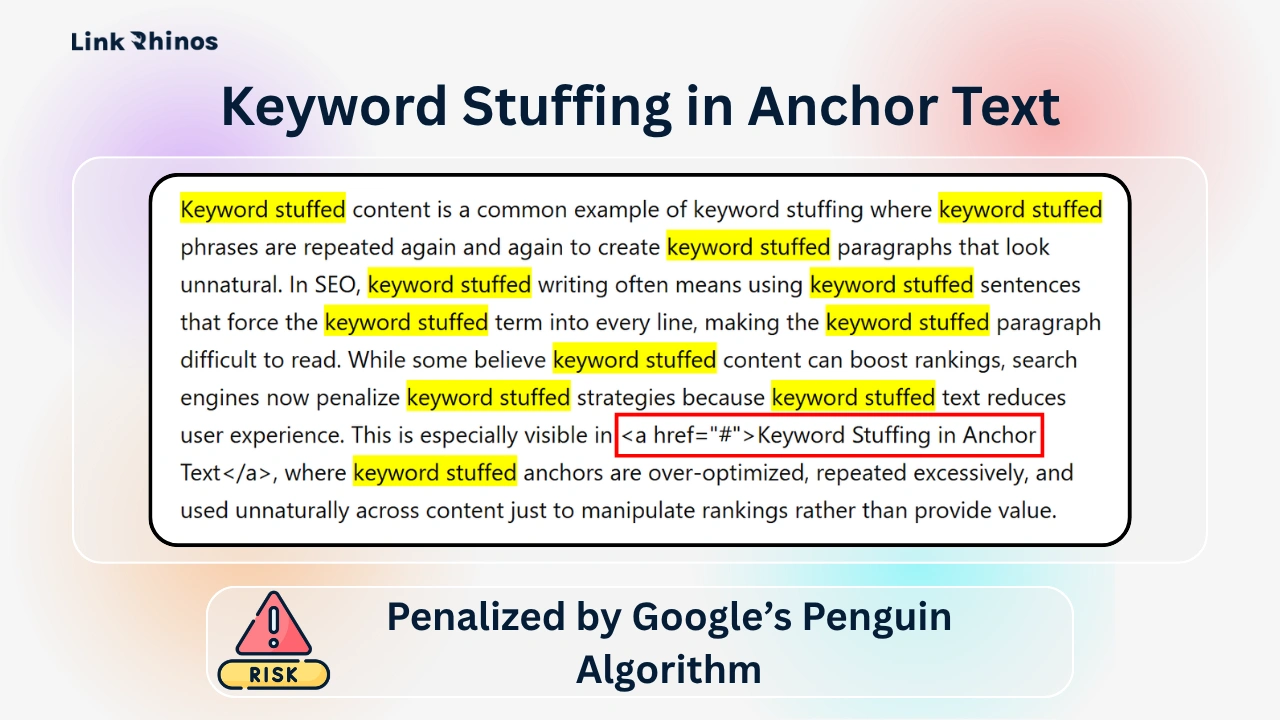
- Description: Overusing exact-match keywords (e.g., “cheap insurance”) to manipulate rankings.
- Example: Excessive use of “best SEO agency” in footer links.
- Risk: Penalized by Google’s Penguin algorithm.
5. Cloaking and Hidden Links
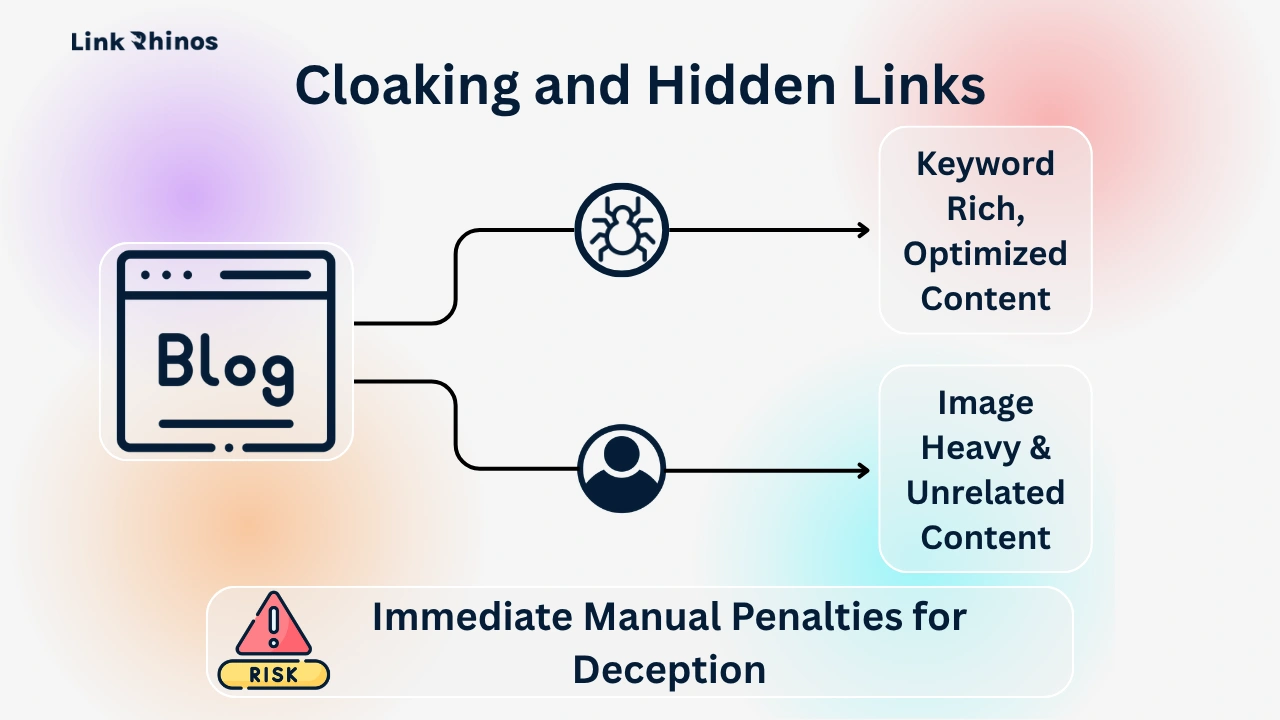
- Description: Showing search engines different content than users (cloaking) or hiding links (e.g., white text on white background).
- Example: Redirecting bots to a keyword-stuffed page while users see normal content.
- Risk: Immediate manual penalties for deception.
6. Automated Link Building Tools
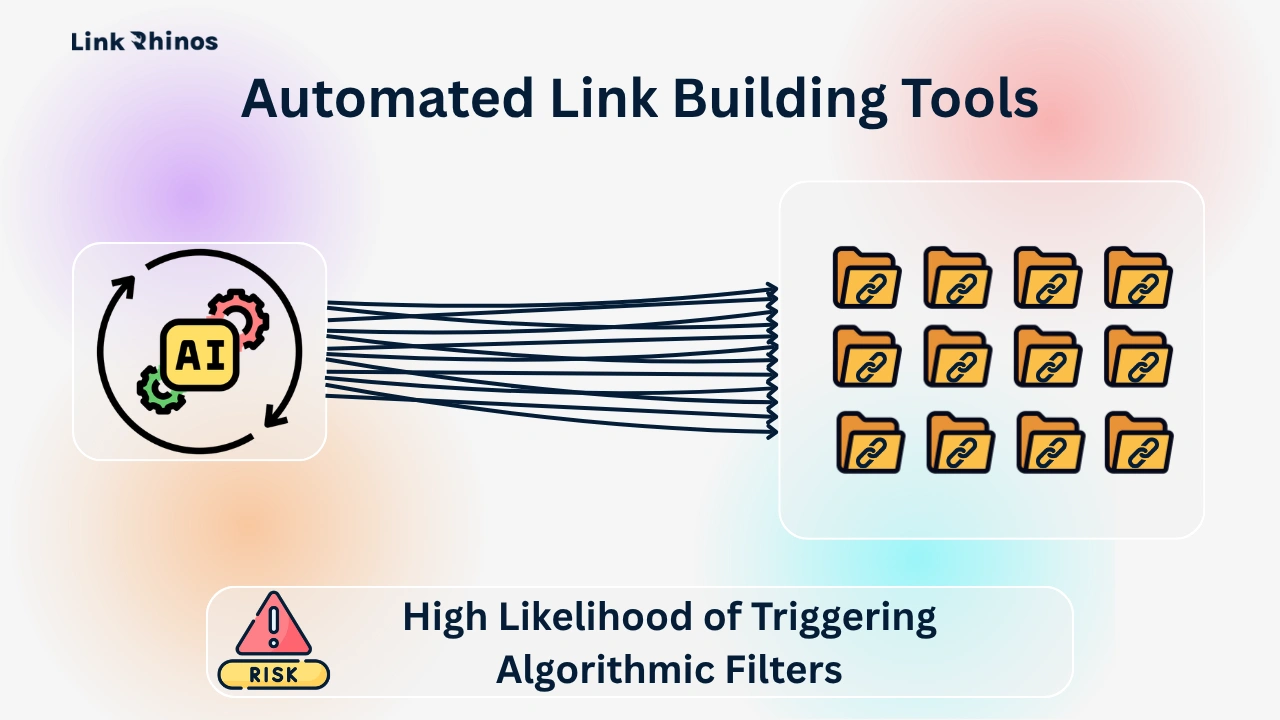
- Description: Using bots to generate mass blackhat backlinks seo via scripts or software across hundreds of directories and forums simultaneously.
- Example: Tools that auto-post links on directories or forums.
- Risk: High likelihood of triggering algorithmic filters.
Risks of Black Hat Link Building
Understanding the full scope of risks is essential for any SEO professional. Engaging in black hat link building – even unknowingly – can result in penalties that take months or years to recover from. A single black hat link from a toxic domain can be enough to trigger a manual review by Google’s quality team.
- Search Engine Penalties
- Algorithmic: Google’s Penguin update and SpamBrain specifically target black hat seo backlinks and unnatural link patterns.
- Manual Actions: Human reviewers can deindex sites or drop rankings.
- Loss of Traffic and Revenue
- Penalized sites often lose 50–100% of organic traffic.
- Reputation Damage
- Brands associated with spam may lose customer trust.
Why Do Some SEOs Use Black Hat Methods?
- Quick Results: Temporary ranking boosts from black hat seo link building can be appealing to clients demanding fast outcomes.
- Ignorance of Risks: Newcomers are unaware of long-term consequences.
- Profit Motive: Agencies promising fast rankings for client retention.
How Search Engines Detect Black Hat Tactics
- Algorithmic Filters:
- Penguin: Targets spammy backlinks.
- SpamBrain: AI-based system detecting unnatural patterns, including blackhat backlinks seo networks at scale.
- Manual Reviews: Reports from users or Google’s quality raters.
Recovering from Black Hat SEO
- Conduct a Backlink Audit
- Tools: Ahrefs, SEMrush, or Google Search Console.
- Action: Identify toxic black hat seo backlinks (e.g., PBNs, irrelevant directories).
- Disavow Toxic Links
- Process: Submit a disavow file via Google Search Console.
- Note: Use cautiously-only disavow confirmed backlink blackhat sources.
- Once you’ve identified harmful links, follow our step-by-step guide to disavow toxic backlinks to clean up your profile safely.
- Remove Harmful Links
- Outreach: Contact webmasters to remove spammy links. Any black hat link you can get removed directly is preferable to a disavowal.
- Shift to White Hat Strategies
- Focus: Create quality content, earn natural links, and follow E-E-A-T (Expertise, Authoritativeness, Trustworthiness).
Case Studies
- JCPenney (2011): Lost rankings after The New York Times exposed paid links – a classic case of black link seo manipulation at scale.
- Overstock (2011): Penalized for offering discounts to edu sites for links.
The Grey Area: Grey Hat SEO
Grey hat link building involves tactics that bend rules without outright violation (e.g., aggressive guest posting or tiered link building). Unlike blackhat link building, grey hat link building often stays just inside the lines – but those lines shift with every algorithm update.
- Risk: Still vulnerable to algorithm updates.
Ethical Alternatives: White Hat Link Building
- Content Marketing: Publish original research or guides.
- Digital PR: Earn media coverage through press releases.
- Guest Blogging: Write for reputable, relevant sites.
For a complete system, create a link-building SOP that documents your ethical processes and ensures consistency across your team.
Conclusion
Black Hat Link Building is a high-risk gamble with fleeting rewards. Whether it’s black hat seo link building via PBNs or automated spam, the rise of AI-driven detection (e.g., SpamBrain) and stringent penalties make ethical SEO the only sustainable path. Any form of black hat link building – no matter how subtle – puts your entire domain authority at risk. Prioritize user value, transparency, and compliance to build lasting authority.
And if you’re considering link exchanges as part of your strategy, make sure you know how to find the right partners for link exchanges to stay in Google’s good graces.

Need Help? Audit your backlinks today and transition to White Hat strategies. Your site’s future depends on it.