Most SEO audits find the same thing: a site with decent content, a reasonable backlink profile, and internal linking that looks like it was done in five minutes at the end of a sprint. Pages are buried four clicks deep. Anchor text that says “click here.” Homepage pulling 80% of internal link equity while product pages starve.
Internal links are one of the few ranking levers you control entirely. No waiting on other sites, no outreach, no budget. Just structure – and most sites treat it as an afterthought.
This post covers the SEO internal linking best practices that actually shift rankings, ending with a deep look at silo linking – the most underused structure for building topical authority fast.
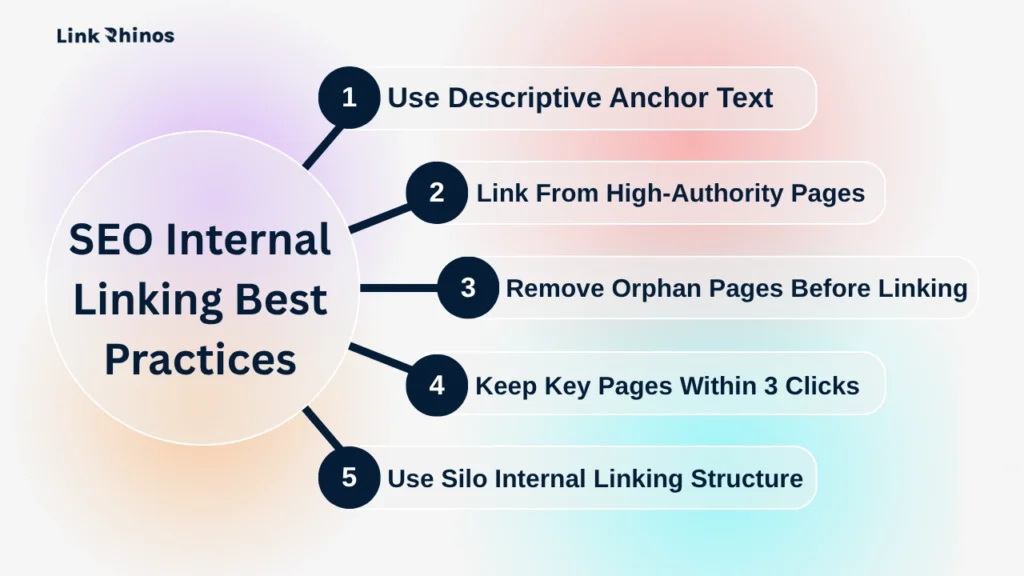
1. Use Descriptive Anchor Text
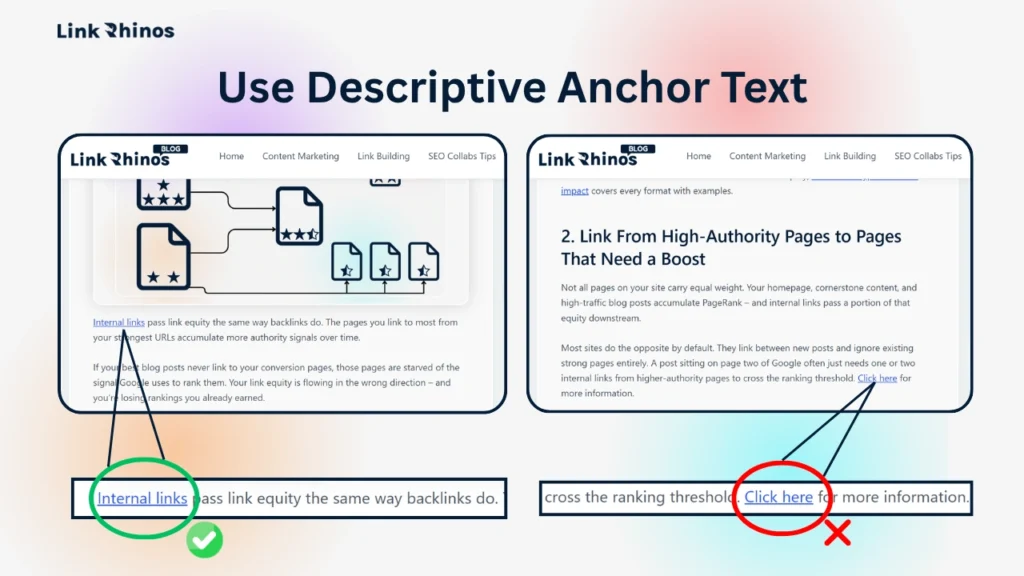
Of all the best practices for internal linking, anchor text gets the least attention and causes the most damage when ignored. When you link to a page about “link exchange mistakes” and the anchor says “this post” or “learn more,” you’ve told Google nothing useful about the destination.
The Fix
Anchor text should describe what the linked page is about, using its target keyword or a close variant. Two to five words, specific, and varied across pages – don’t repeat the exact same anchor text every time you link to the same URL.
One thing to avoid: over-optimising every internal link to the same page with exact-match anchors. That pattern is easy for Google to read. There are several anchor text types – exact-match, partial-match, branded, and descriptive – and rotating between them intentionally is what a natural internal link profile looks like.
2. Link From High-Authority Pages to Key Pages
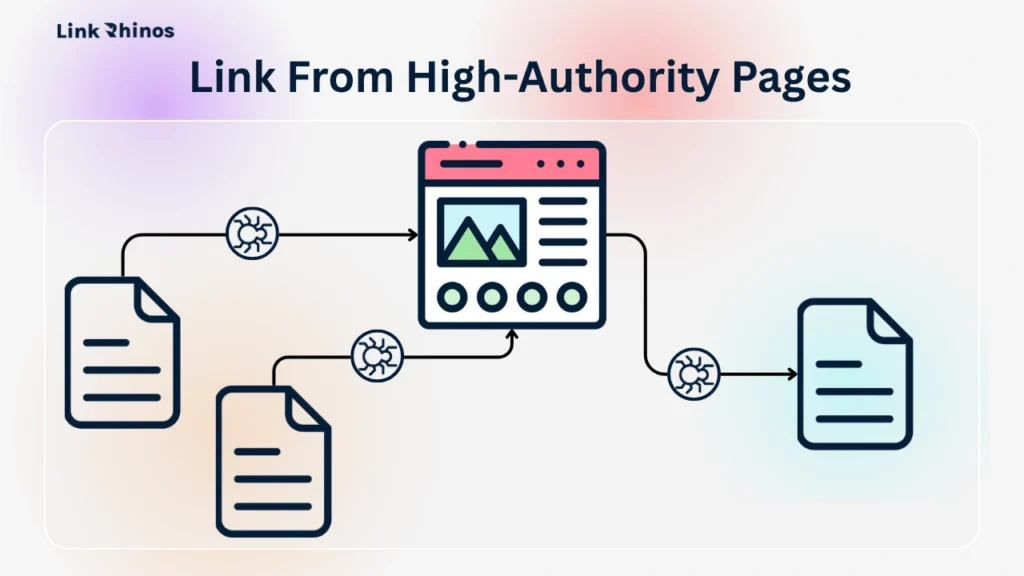
Not all pages on your site carry equal weight. Your homepage, cornerstone content, and high-traffic blog posts accumulate PageRank – and internal links pass a portion of that equity downstream.
Most sites do the opposite by default. They link between new posts and ignore existing strong pages entirely. A post sitting on page two of Google often just needs one or two internal links from higher-authority pages to cross the ranking threshold.
The Fix
Audit your internal links first to map where equity is currently flowing, then identify your highest-authority pages by organic traffic or external backlinks. From there, check which underperforming pages they currently link to and add contextual links pointing at the posts you actually want to rank.
One reassigned link from a strong page moves the needle faster than ten new links from weak ones.
3. Remove Orphan Pages Before Linking
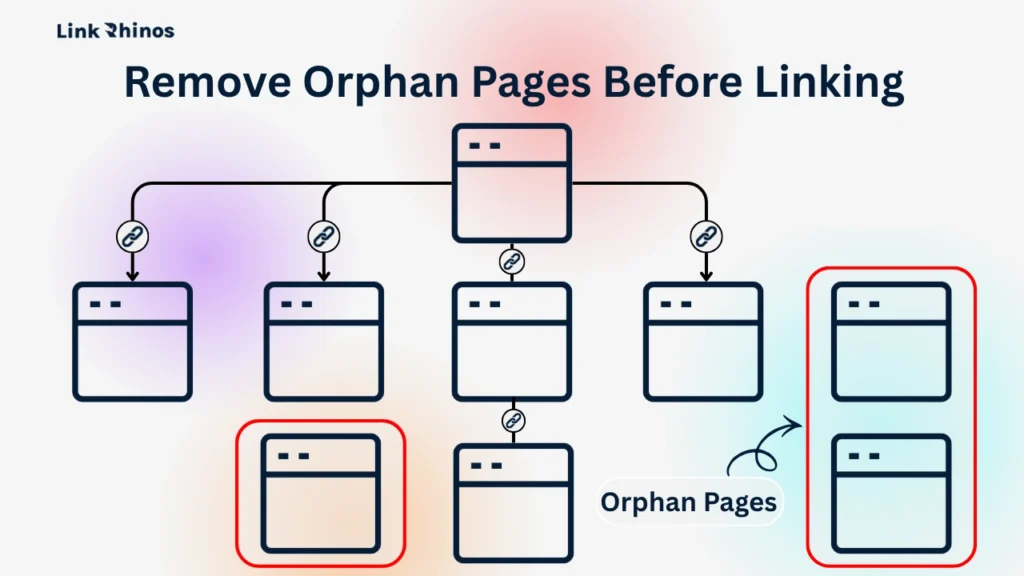
An orphan page is any page on your site with zero internal links pointing to it. Fixing them is one of the most overlooked internal linking best practices – Google discovers pages by following links, and if nothing links to a page, it effectively doesn’t exist in your link graph.
Orphan pages are more common than most site owners expect. Product pages added mid-sprint, blog posts published without being linked from a category hub, and landing pages built for paid campaigns that were never wired into the site structure.
The Fix
Export your full site crawl and your Google Search Console URL list. Cross-reference them. Any URL in GSC with zero internal links is an orphan. Prioritise fixing orphan pages that already have external backlinks – those are losing equity with nowhere to send it.
For a repeatable workflow, how to build internal links for SEO walks through the audit-to-fix process step by step.
4. Keep Key Pages Within 3 Clicks
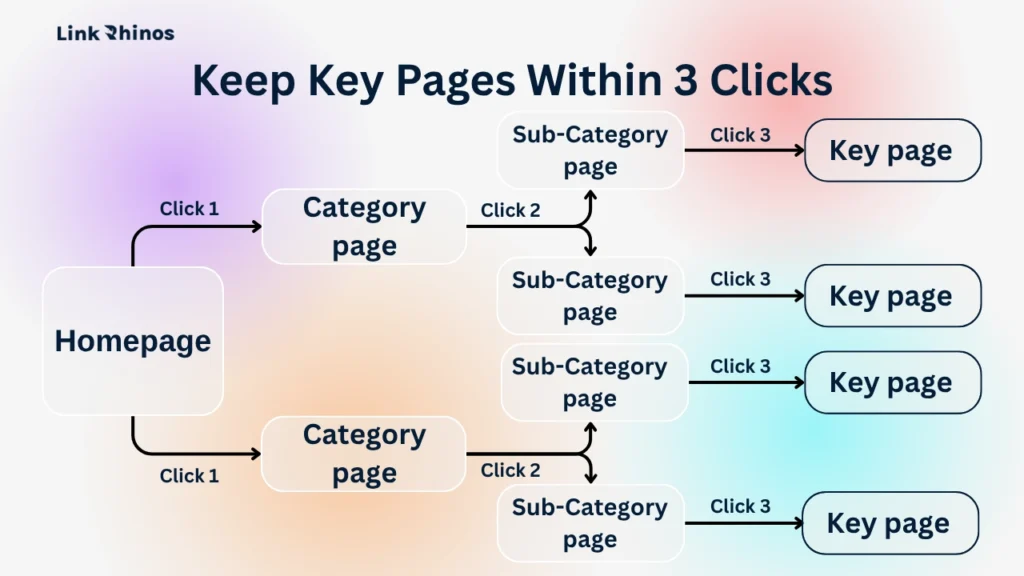
Click depth – how many clicks it takes to reach a page from the homepage – directly affects how often Googlebot crawls that page and how much equity it receives. It’s one of the core reasons internal links have such an outsized impact on rankings – the structure you build determines what Google sees, in what order, and how frequently. Pages buried five or six clicks deep get crawled less regularly and rank harder as a result.
Any page you want to rank should be reachable in three clicks or fewer. Most SaaS sites violate this on their blog. A post published six months ago with no links from newer content quietly slides to click depth five, then stops getting crawled regularly.
The Fix
The best internal linking for SEO. Use a hub-and-spoke model for your content. Each category page acts as the hub. Every post in that category links back to the hub, and the hub links out to every post. New posts should always link to at least two existing posts in the same category – and receive a link back from at least one of them.
5. Use Silo Internal Linking Structure
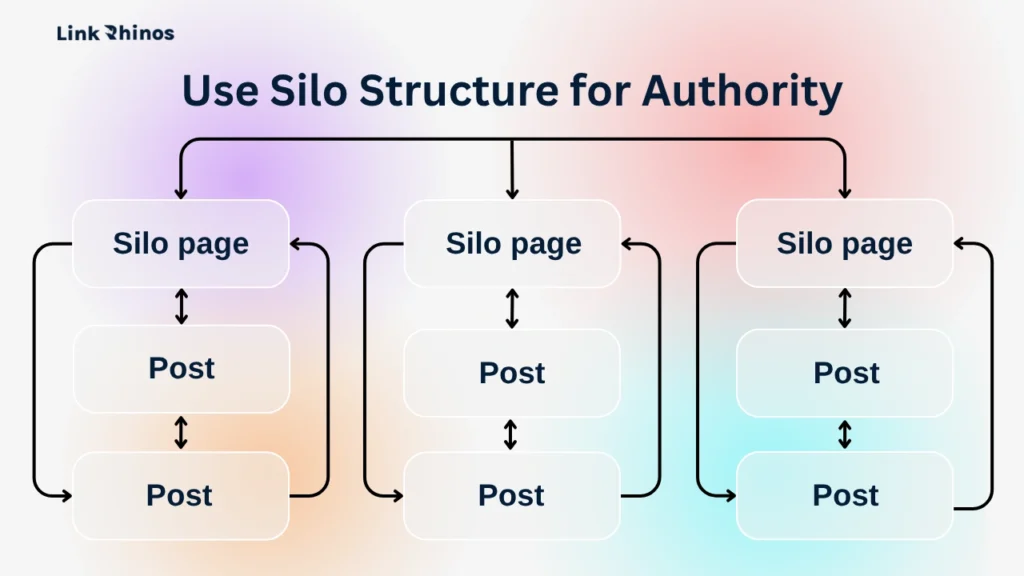
This is the practice that separates sites ranking for keyword clusters from sites that rank for the occasional isolated post. Silo internal linking groups content into themed clusters and controls how link equity flows within – and between – those clusters.
The structure is simple: a pillar page sits at the top covering the broad topic, cluster pages sit below it covering specific sub-topics, and every cluster page links back up to the pillar. Links between silos happen at the pillar level only – never between low-level posts in different clusters.
When done correctly, each piece of content reinforces every other piece in the cluster, and ranking one post begins to lift the others.
The Fix
Before publishing any new content cluster, map the silo structure first – pillar, clusters, link flow – then build it out in that order. Don’t publish post by post without the hub in place.
Combining content marketing and link exchanges shows how this structure works when your content strategy and link acquisition are aligned.
Bottom Line
Internal linking is the one part of your SEO stack you can fix without anyone else’s permission or budget. The sites that compound rankings fastest are the ones that treat link structure as architecture – planned before content is published, not bolted on after.
Build the silo first. The rankings follow the structure.

If you are building topical authority through internal linking, the next step is making sure your external links carry equal weight. LinkRhinos matches SaaS sites with vetted, niche-relevant link partners – no cold outreach, no guesswork → linkrhinos.com/register